











ENVIRONMENT IMPACT ASSESSMENT AND THE SUSTAINABLE DEVELOPMENT

“The environment belongs to everyone but is being exploited by few”.
Nature provides enough for all with the bare necessities of food, clothing, and shelter of human beings. The increased demand of the growing population poses a challenge to modify or manipulate nature, and human beings choosing the latter become a threat to their existence. In the pursuit of finding a solution, man chose to use the nature to its optimum potential. This led to the adoption of modern methods to develop the resources at times damaging the fragile environment.
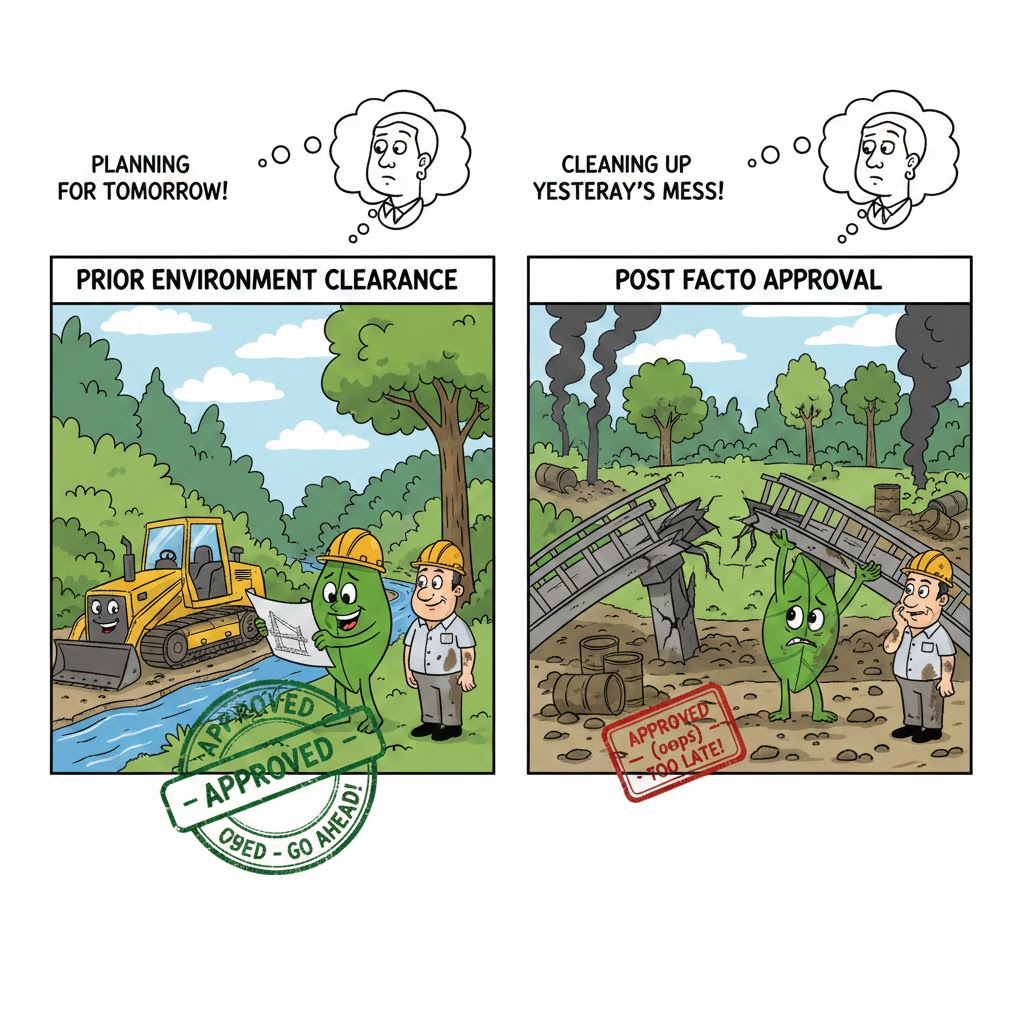
Therefore, it was deemed necessary to ensure proactive intervention to prevent any violations, both inadvertent and otherwise, before the project’s execution. The resultant legislative instrument was the Environmental Impact Assessment. The EIA is an effective first-level protection activity towards ensuring sustainable development. EIA was first mooted by US EPA in 1970 to integrate environmental principles in decision making. In India the Environment (Protection) Act 1986 was passed in the Parliament in 1986. This piece of legislations entailed the requirement of obtaining the environment clearance before commencement of the project as well as for capacity addition or modification of the project from the Central Government or the State Environment Impact Assessment Authority. This Notification mandated that a Draft Environment Impact Assessment report should be prepared covering the base data and the environmental impact assessment. Based on this report and its scrutiny by EAC/SEIAA/MOEF, the Environment clearance is issued.
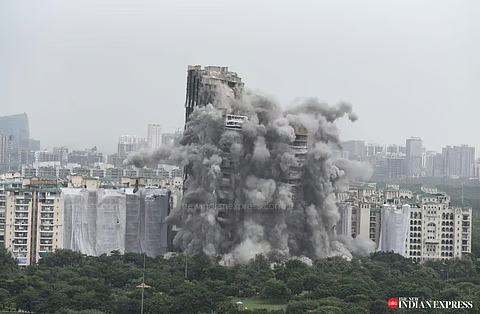
All these years, the present EIA notification 2006, has been in force and has controlled violations to some extent. But wherever it has been compromised, the nature and the Judiciary have rejected the projects. The cases of Tirupur Textile pollution and the Maradu apartment’s CRZ violation are the glaring examples of the compromise of EIA Notification requirements. In these two cases the industries and the apartments had commenced their work after getting through the EIA hurdles. Subsequently, the pollution and the violation caught up with the project because of the project had to be scrapped resulting in a huge loss to the promoters. If the violation had been taken care as per the EIA Notification, this situation would not have happened.
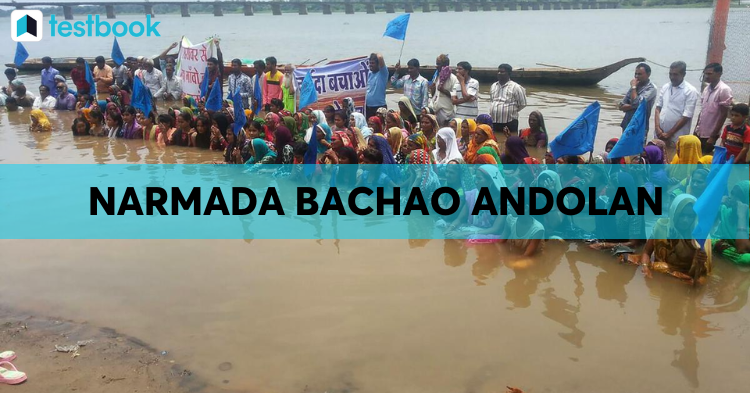
In India, in the famous case of Narmada Bachao, the environmental clearance was issued in 1983 by the Department of Science & Technology, GOI, without gathering the requisite data. The Judgement came with a minority opposing the same, where the majority felt that the project need not comply retrospectively with the EIA laws. The Orissa POSCO and Vedanta mining cases also could have been prevented if the EIA process had been effectively carried out and implemented with the ‘Social impact’ studies. Therefore, the EIA process is the only process, if executed with integrity, that can act as a tool for sustainable development to protect the investment and the project from the environmental, and social opposition.
The EIA notification 2006 has some, provisions outlined in Appendix II 2.6 regarding control measures to be provided in the project planning. But it doesn’t seek the detailed design and data of the same, leading to a vague mention of the facility. That facility mentioned is in the process of seeking the Environmental Clearance, not to mitigate the environmental pollution. This is amply clear in the Bengaluru apartment Sewage Treatment Plant and the resulting pollution of lakes and rivers. Some of these projects pass through the EIA scrutiny by EAC/SEIAA with vague mention of the control measures. And also the second level check provided by legislation under provision of section 17(1) (f) of the Water (Prevention and control of Pollution) Act 1974 requires ensuring the correctness of the plans and the plants. But this aspect doesn’t get covered in EIA. This is one of the main reason where most of the Bengaluru apartment projects where the STP’s do not satisfy the design requirements. Given the pollution, many agencies were involved in finding a solution to the problem. And the result was the Government of Karnataka, Notification FEE 316 EPC 2015 dated 19.01.2016. It states that the Sewage should be treated and reused inside the premises. This order was prepared with the advice rendered by the Pollution experts of the GOK. But it is also seen as an effort to escape the scrutiny of the Courts and the public. Because the authorities do not have an answer as to how to do it. They may also be aware that there is no effective technology in India, which can force Indians to use the treated Sewage for all domestic purposes. Therefore, such orders without any scientific solutions can only create additional issues than solve the problems. To avoid such situations, the control provisions with the design details and the scientific method of root cause analysis need to be incorporated in the EIA report to reduce the impact post the project implementation.
Section 17(1)(f) provides for the technological evaluation by SPCB, but it becomes late after the construction. Therefore along with the Pollution Boards, the SEIAA should also take up the evaluation of the proposed design of the ETP or STP or any other control equipment before construction. This can for once be easily standardized for the quantity of discharge and composition of effluents through agencies like ISI or CPCB. There is no agency which seeks the detail design of the Sewage treatment plant. EIA report also adopts the method of storytelling rather than being a technological document. None of these reports of high-rise buildings have given a detailed design with accurate capacity and dimensions. It is a known fact that the SPCBs also lack the required competency in this subject. All these failures can be prevented at the initial proactive stage of Final EIA scrutiny in SEAC/SEIAA.
The environmental laws and the notifications were drafted mainly for the industries. There is no focus on the design aspect of the Sewage Treatment plants. Section 17(1)(f), which requires inspection of the control measures, should be monitored to ensure its implementation. The provision of law using section 33A for taking action against the violator is mainly in the case of industrial pollution, where the polluter is the same as the founder. But this needs to be reviewed for the apartments where the project proponent is different from the residents, not connected with the design and implementation, and they suffer from the error of the project proponent.
Lawlessness doesn’t ensure sustainable growth, but it certainly ensures the growth of unscrupulous societal weeds. The luminaries of legal theory of Jurisprudence said, “Making innumerable statutes, men merely confuse what God achieved in Ten”.
We need development to provide a better life to all, and also, we need to protect our environment for future generations to enjoy the same. India has enough resources of intelligent men, women and money, except the integrity it needs. We need to encourage the habit of integrity more than intelligence in our society. Then only these issues can be managed if all the stakeholders carry out their roles with honesty and integrity.



How the Vedanta and Korean steel maker fiasco could have been prevented by EIA?
Author has clearly mentioned the need of technical scrutiny while execusion of project as per the standards laid down by law of the land . In the absence of such practices environment will suffer for the man made mistakes. Government should come forward with astringent legislature with unuambiguous terms to protect our environment for sustainable development in future.
The Author has outlined the importance of good environment and the need to preserve it .The environment laws for sustainable development are good tools to prevent violations .
We find that the environment is often misused for self gains .In such situations it is necessary to ensure lawful intervention to prevent violations.
The intentions of the legislation is very good but the implementation is either poor or bad.Along with violators, the authorities concerned are also equally responsible for the current status.
The article underscores the need to preserve and protect the environment .In this regard involvement public in general and officials in particular assumes great importance.
The author has rightly said that integrity is more important than intelligence and it is applicable to every one.I fully endorse his views